No Comments
Scooter Leasing vs Buying Crete: Which Saves More?
Torn between scooter leasing vs buying Crete? It is one of the most common questions riders in Heraklion ask. With MotoBooking ZERO leasing means a new bike with insurance and service included, no deposit and no guarantor — so let us compare it fairly with buying.
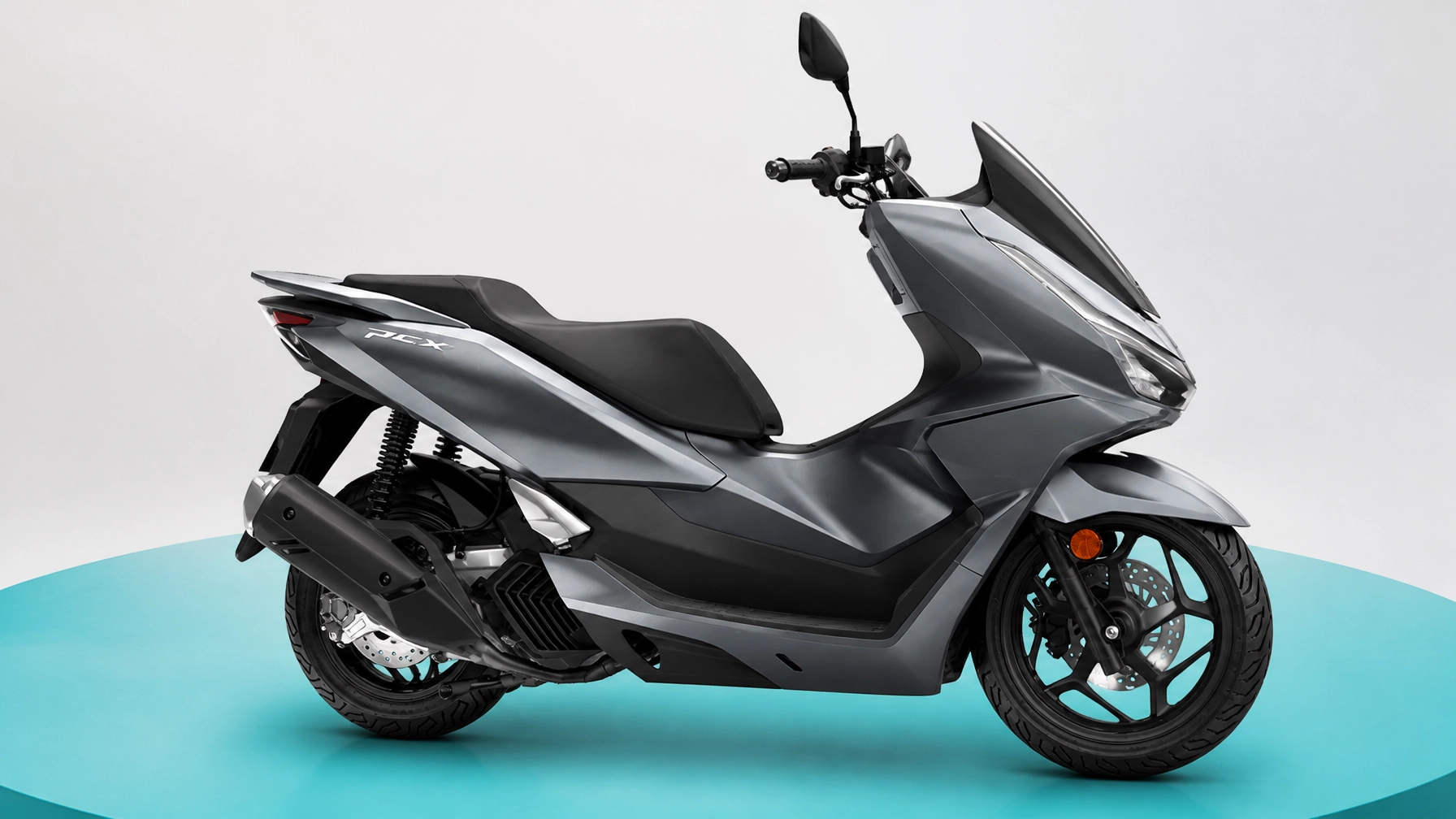
Scooter Leasing vs Buying Crete: The Up-Front Cost
The first split in the scooter leasing vs buying Crete decision is cash. Buying demands a large lump sum or a loan; leasing needs no down payment and starts from about €195 per month, keeping your savings intact.
- Buying: big up-front cost plus depreciation
- Leasing: no deposit, fixed monthly fee
- Buying: you arrange tax, insurance and repairs
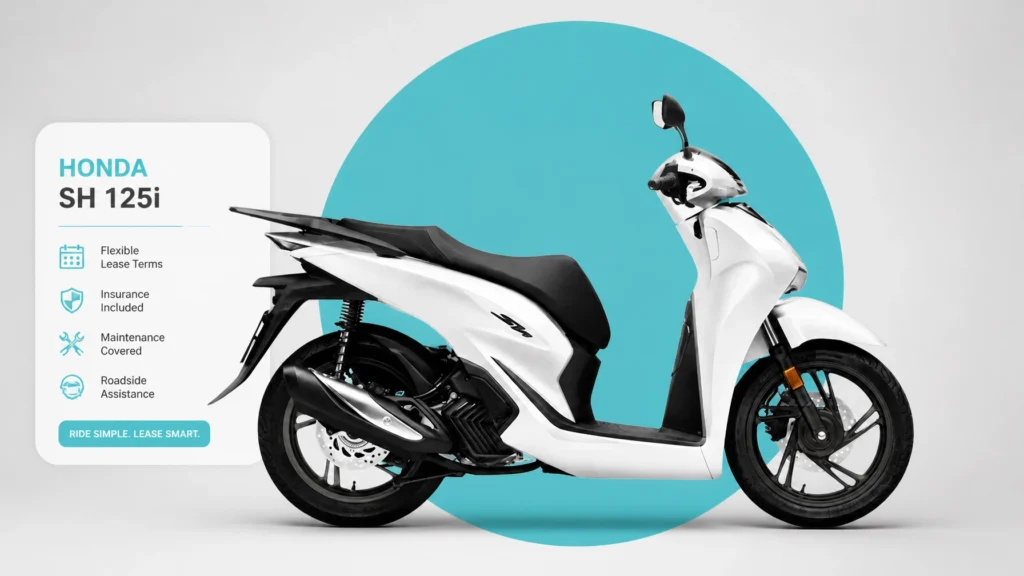
- Leasing: insurance and servicing included
Ongoing Costs and Risk
Owners carry the risk of breakdowns, rising insurance and falling resale value. A subscription shifts that risk to us — if something needs servicing, it is covered, and you simply keep riding.
Scooter Leasing vs Buying Crete for Short Stays
If you are in Crete for months rather than years, buying rarely makes sense, and daily scooter rental in Crete is pricey over any stay of a week or more. A monthly lease is the middle path — newer bike, full insurance, return anytime. We are monthly only and do not offer daily or weekly rental.
When Buying Still Wins
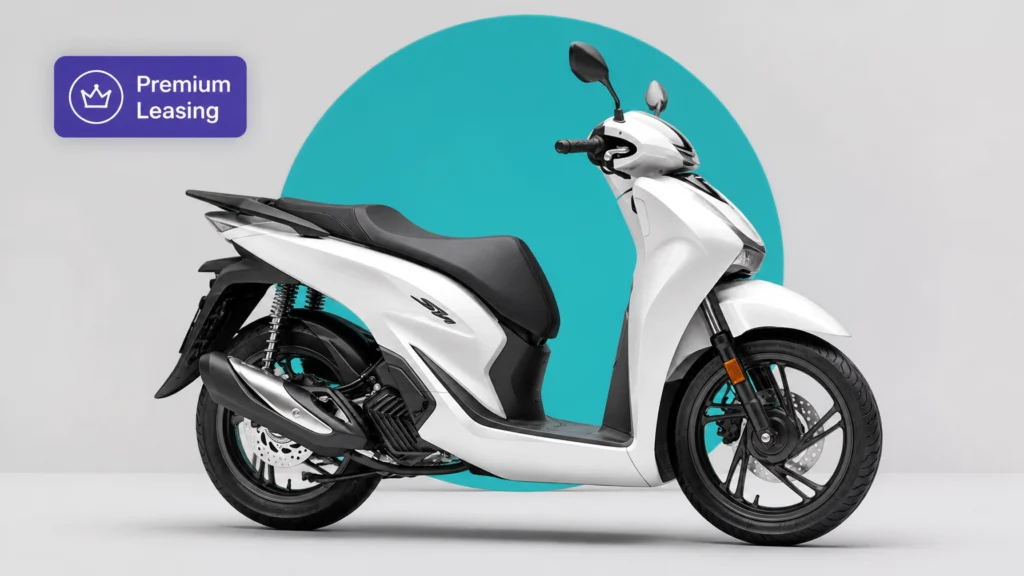
If you plan to keep a single bike for many years and do all maintenance yourself, ownership can pay off long term. For most city riders, students and newcomers, though, the flexibility of leasing wins. See our Honda scooter leasing range to compare.
The Flexible Choice: MotoBooking ZERO
Our ZERO plan settles the scooter leasing vs buying Crete debate for most people: a new, insured, serviced bike with no deposit, no guarantor and the freedom to hand it back whenever you are ready.
You can also browse current models and specifications on the official Honda Greece site before you decide.
Scooter Leasing vs Buying Crete: The Full Comparison
The scooter leasing vs buying Crete decision is one of the most common questions riders in Heraklion face, and the right answer depends on your finances, your habits and how long you intend to keep a bike. Buying gives you outright ownership and, in the very long term, the lowest theoretical cost if nothing goes wrong. Leasing gives you a new, fully maintained bike with insurance and servicing included for one predictable monthly fee, with no deposit and the freedom to walk away. Understanding the trade-offs clearly is the key to choosing well.
It is worth being honest from the start: neither option is universally better. The aim of this comparison is to lay out the real costs and benefits of each so you can match the decision to your own circumstances, rather than following a one-size-fits-all rule. For most regular city riders, the convenience and predictability of leasing win, but there are genuine cases where buying makes sense too.
Throughout, remember that the scooter leasing vs buying Crete comparison is not just about the sticker price. It is about total cost, risk, flexibility and the value of your time, all of which tilt the balance in ways that a simple price tag never reveals.
The Up-Front Cost Difference
The first and most obvious split is the up-front cost. Buying a scooter demands either a large lump sum or a loan that commits you for years and accrues interest. That capital is then locked into a depreciating asset from the moment you ride away. Leasing, by contrast, needs no down payment at all, starting from about €195 per month, which keeps your savings intact and available for other priorities.
For many riders, especially students, freelancers and newcomers to the island, keeping cash free is worth a great deal. A subscription lets you ride a quality bike immediately without depleting your savings or taking on debt, which is a meaningful advantage in the scooter leasing vs buying Crete equation that pure cost comparisons often ignore.
Ongoing Costs and Who Carries the Risk
Ownership comes with a steady stream of ongoing costs: road tax, insurance renewals, scheduled servicing, consumables like tyres and brakes, and the ever-present possibility of an expensive repair. Crucially, the owner carries all of that risk personally. A single major fault on an out-of-warranty bike can wipe out years of theoretical savings in one workshop visit.
With leasing, those costs and risks shift to us. Servicing and maintenance are covered, insurance is included, and if something goes wrong it is our problem to fix, not your bill to pay. Our cost guide breaks down exactly what the monthly fee absorbs, but the headline is simple: a subscription converts unpredictable, volatile costs into one steady, manageable figure.
Depreciation: The Hidden Cost of Buying
Depreciation is the cost owners feel least until they try to sell. A scooter loses a significant share of its value in the first couple of years, and that loss is real money out of your pocket, even if it never appears as a bill. When you eventually sell, the gap between what you paid and what you receive is often larger than people expect, especially if the bike has high mileage or visible wear.
Leasing sidesteps depreciation entirely. Because you never own the bike, its falling resale value is simply not your concern. You ride during the best years of the machine’s life and hand it back without ever worrying about what it is worth. In the scooter leasing vs buying Crete comparison, this is one of the clearest financial advantages of the subscription model.
When Buying Still Makes Sense
To be fair to ownership, there are situations where buying wins. If you plan to keep a single bike for many years, you are comfortable arranging your own insurance and servicing, and you enjoy doing your own maintenance, then ownership can be the cheaper route over a long enough horizon. Riders who treat a scooter as a long-term possession rather than a flexible tool may genuinely prefer to buy.
The honest test is how long you will realistically keep the bike and how much you value flexibility. If your plans might change, if you dislike admin, or if you would rather not carry repair risk, leasing is almost certainly the better fit. Our subscription versus ownership guide explores this mindset question in more depth.
Scooter Leasing vs Buying Crete for Short Stays
For anyone in Crete for months rather than years, buying rarely makes sense, and daily scooter rental in Crete becomes expensive fast over any stay of a week or more. A monthly lease is the sensible middle path: a newer, fully insured bike, return anytime, and a fixed cost you can plan around. Our scooter hire guide shows how the monthly route beats daily rates for longer stays.
To be completely clear, we are monthly only and do not offer daily or weekly rental. For a genuine day-or-two need, a short hire elsewhere is the right call. But across the full scooter leasing vs buying Crete spectrum, the monthly subscription is the option that suits the widest range of riders.
Making Your Decision
Bring it back to four questions: How long will you keep the bike? How much do you ride? How much do you value predictable costs and flexibility? And how much is your time worth? If your answers point toward flexibility, predictability and low hassle, leasing through MotoBooking ZERO is the stronger choice, with no deposit and no guarantor via our no-deposit plan.
If you are leaning toward leasing, you can compare specific bikes in our Honda scooter leasing range and be on the road the same day. Whichever way you go, understanding the real trade-offs in the scooter leasing vs buying Crete decision means you will choose with confidence rather than guesswork.
A Simple Decision Framework
If the scooter leasing vs buying Crete choice still feels unclear, a simple framework helps. Ask yourself how many years you realistically intend to keep one bike, how confident you are about your plans staying the same, and how much you enjoy or dread the admin of insurance, servicing and eventual selling. The more uncertain your future and the less you want to manage upkeep, the more strongly the answer points toward leasing.
Conversely, if you are certain you will keep the same bike for many years, you relish doing your own maintenance, and you are comfortable carrying repair and depreciation risk, buying may suit you. There is no universally correct answer in the scooter leasing vs buying Crete debate, only the one that fits your timeline, temperament and budget most honestly.
What Happens at the End of Each Path
It is worth picturing the endgame of each option. At the end of ownership, you are left with an ageing bike you must either keep maintaining or sell, absorbing whatever depreciation has occurred. The sale itself takes time and effort, and the price you get is rarely what you hoped. That final stretch is the part owners enjoy least, yet it is an unavoidable consequence of buying.
At the end of a subscription, by contrast, you simply return the bike and walk away, or switch to a newer model and carry on. There is no selling, no haggling and no depreciation to swallow. This clean, low-stress conclusion is a genuine advantage of leasing that rarely features in a pure cost comparison but matters a great deal in practice.
Leasing vs Buying for Heavy Users
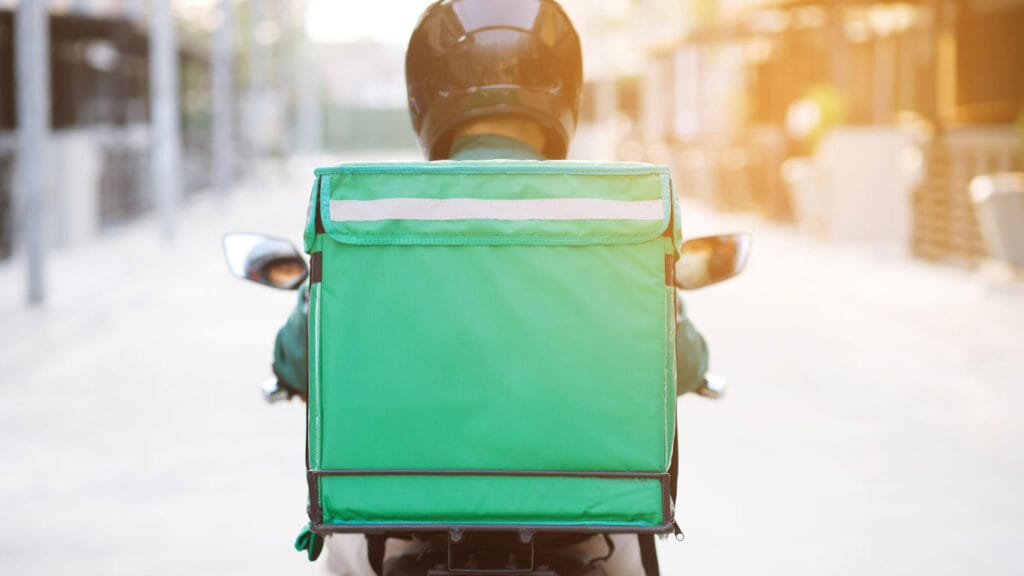
For high-mileage riders such as delivery workers, the scooter leasing vs buying Crete calculation tilts further toward leasing. Heavy use accelerates wear, meaning more frequent servicing and a faster slide in resale value for owners. With a subscription, that servicing is covered and the depreciation is not your concern, so the heavier you ride, the more the included maintenance and fixed cost work in your favour.
Owners who ride hard often find the unpredictable repair bills the most painful part of the experience. Leasing converts those volatile costs into a steady monthly figure, which is exactly what someone relying on their bike to earn needs. For heavy users, the case for a subscription is arguably even stronger than for the average commuter.
The Opportunity Cost of Buying
One factor rarely discussed in the scooter leasing vs buying Crete debate is opportunity cost. When you spend a large sum buying a scooter outright, that money is locked into a depreciating asset and is no longer available for anything else — savings, investments, a deposit, or simply a financial cushion. Leasing keeps that capital free, which has real value beyond the headline cost comparison.
For many people, especially younger riders and those building toward bigger goals, keeping cash liquid is more valuable than owning a bike outright. A subscription lets you ride a quality scooter while your money stays available for the things that matter more, which is a genuine advantage of the leasing side of the equation.
Leasing vs Buying for Students
Students are a perfect example of who benefits from leasing over buying. They often lack the savings for an outright purchase or the credit history for a loan, and their circumstances change rapidly as studies and living arrangements shift. The scooter leasing vs buying Crete answer for most students is clear: a subscription with no guarantor and no deposit fits their reality far better than ownership.
Leasing lets a student ride a reliable, insured bike for exactly the period they need it, then return it when term ends or plans change, with no resale hassle. For a population whose lives are defined by change, that flexibility is precisely what they need from their transport.
The Flexibility Premium Is Worth Paying
Even in the rare cases where ownership might edge ahead on pure long-term cost, many riders happily choose leasing for what could be called the flexibility premium — the value of being able to change, upgrade or walk away whenever life demands it. That freedom removes risk and stress, and for most people it is well worth any small difference in cost over the years.
When you weigh the scooter leasing vs buying Crete decision, factor in how much you value that flexibility, not just the numbers. For the majority of city riders whose lives are not set in stone, the ability to adapt easily is the deciding advantage that tips the balance firmly toward a subscription.
Scooter leasing vs buying Crete — which is cheaper?
For most riders, leasing is cheaper once you include tax, insurance, servicing and depreciation. Buying can win only if you keep one bike for many years.
Do you offer daily or weekly rental?
No. MotoBooking is monthly only and does not offer daily or weekly rental.
Does leasing require a deposit or guarantor?
No. MotoBooking ZERO has no down payment and no guarantor.
What is included when I lease?
The bike, comprehensive insurance, scheduled service and maintenance, and up to about 1,000 km per month.
Can I return the scooter if I decide to buy later?
Yes. You can return the leased bike anytime, so leasing is a low-risk way to decide.